Phaser pedals are one of the “big three” categories of modulation pedals, along with chorus and flanger pedals.
They work by creating one or more notch filters and modulating the center frequency or frequencies. By creating peaks and dips in the signal’s frequency spectrum it creates a swirling sound with movement that adds a somewhat three-dimensional vibe to a signal.
While at one time there were just a few analog phaser pedals available, now there are all-analog, digital only models – and everything in between.
Best phaser pedal overall: BOSS PH-3
Best phaser pedal overall
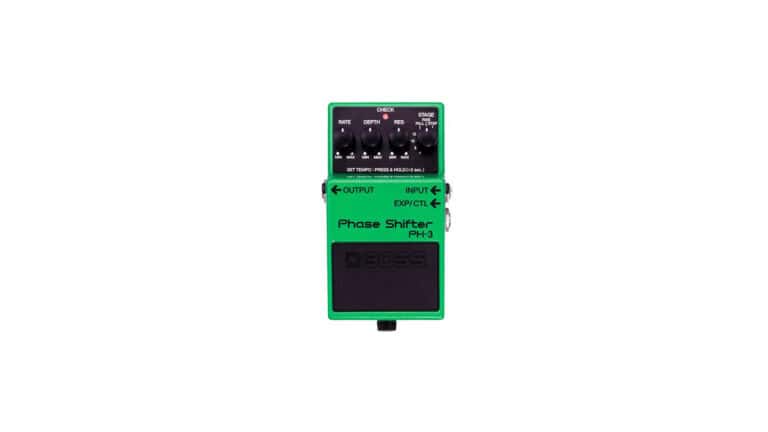
Boss PH-3
A versatile phaser with vintage and modern sounds.
Pros
- 7 different modes
- Rise and Fall modes produce unidirectional phasing
- Real-time control with aftermarket expression pedal
- Onboard tap tempo
Cons
- Not the best choice for strictly analog sounds
Buy from
We may earn a commission from these links.
It should come as no surprise that one of the best phaser pedals overall belongs to guitar pedal kings BOSS. Like most of their offerings, this multi-stage phaser offers a strong combination of vintage and modern phaser sounds.
You can select between four, eight, 10, and 12-stage modes as well as three unique settings in Fall, Rise, and Step. Fall and Rise modes create phasing that’s unidirectional, a type of modulation that most other phasers don’t usually offer.
Everything is dialed in through Rate, Depth, and Resonance controls. Tap tempo is available by holding down the footswitch or using an external control source like an expression pedal.
If you’re looking for an authentic analog sound there are better options out there. But as an all-around pedal with some novel sounds available, it’s one of the best phaser pedals out there.
Best analog phaser pedal: MXR Custom Shop CSP101SL Script Logo Phase 90
Best analog phaser pedal
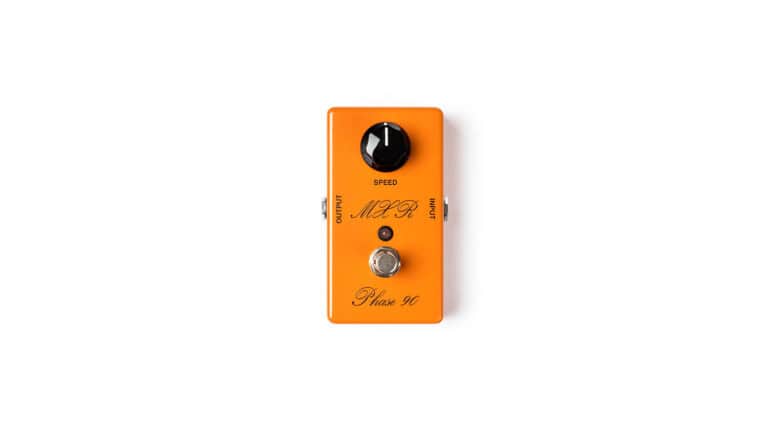
MXR Custom Shop CSP101SL Script Logo Phase 90
The authentic analog sound of the phaser that started it all.
Pros
- Hand wired with select components
- Durable enclosure
- Good value for the cost
Cons
- Some players will find single control limiting
Buy from
We may earn a commission from these links.
When most people think of phaser pedals, the MXR Phase 90 is the first thing to pop in their head. The distinctive single knob design and bright orange casing took the world by storm when Eddie Van Halen used it all over Van Halen’s blistering debut.
The script version is true to the sound and design of the originals, and the beauty is in its simplicity. One of the things guitarists like about this phase circuit is the reduction in the midrange frequencies. This means it doesn’t muddy up your signal at a higher setting.
It doesn’t eat up headroom, it’s got the smooth sound of analog, and works well on guitar or bass. Sometimes one knob is all you need.
Best digital phaser pedal: Source Audio Lunar
Best digital phaser pedal
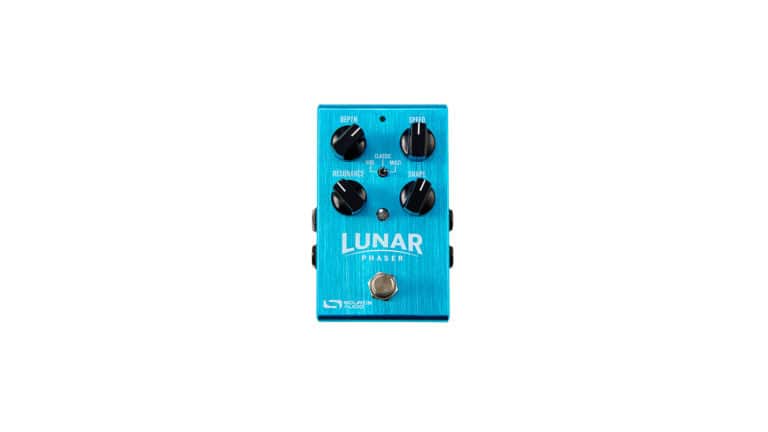
Source Audio Lunar
A versatile modulation machine.
Pros
- 3 modes that can be set to any setting you design
- Additional modulation sounds through Neuro Editor
- Switchable bypass modes
- Expressional pedal control over up to three control settings
Cons
- Can take some time to set up sounds
Buy from
We may earn a commission from these links.
Digital phaser pedals can do a great job at replicating analog sounds, with the added benefit of offering settings and controls analog alternatives don’t – or can’t – offer. And few companies do digital better than Source Audio.
Three main modes run it, four and eight-stage settings and one that’s closer to a Uni-Vibe rotating speaker sound. But through the free Neuro Editor you can access a wealth of sounds over the pedal’s 56-bit Sigma digital signal engine and customize all kinds of parameters.
Additional phaser “engines” are also accessible through the Editor, as well as other types of modulations like choruses and flangers. Once you find your sounds and settings you can save up to three presets for instant recall.
A high level Control Input lets you use an external expression pedal, with up to three parameters at the same time. The Lunar also offers MIDI control through the Neuro Hub, which is sold separately.
Best mini phaser pedal: Pigtronix Moon Pool Tremvelope
Best mini phaser pedal
Pigtronix Moon Pool Tremvelope
A phaser that responds to playing dynamics.
Pros
- Phaser and tremolo circuits
- Independent effects controls
- Global depth knob for dry signal blend
Cons
- Can only be powered by power supply.
Buy from
We may earn a commission from these links.
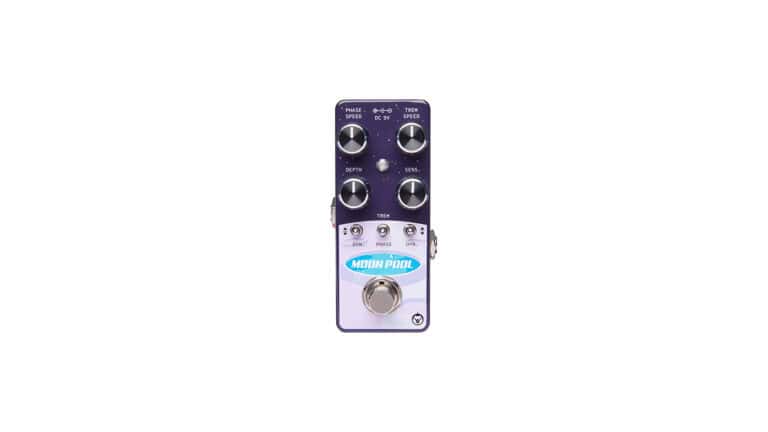
Outside of guitar multi-effects, the Moon Pool might have the richest control set in any phaser pedal. Especially when it comes to mini phaser pedals. The circuit is built on a 4-stage, VCA-based analog phase shifter topology with a variable bias tremolo thrown in for good measure.
Speed for both effects is independent and bidirectional. The coolest part? It’s based on picking dynamics! Intense playing equates to a faster effect and vice versa. A Depth knob works globally to control the overall signal blend of both effects, and the Sensitivity control lets you tailor the effect to your playing articulation.
It might be a bit much for some guitar players, but the mashup of two different modulation effects and level of control takes a step beyond standard phaser pedals.
Best budget phaser pedal: Electro-Harmonix Small Stone
Best budget phaser pedal
Electro-Harmonix Small Stone
One of the best – and simple – analog phasers.
Pros
- Easy controls
- Color switch controls focus frequencies
- Durable enclosure
Cons
- Limited controls
Buy from
We may earn a commission from these links.
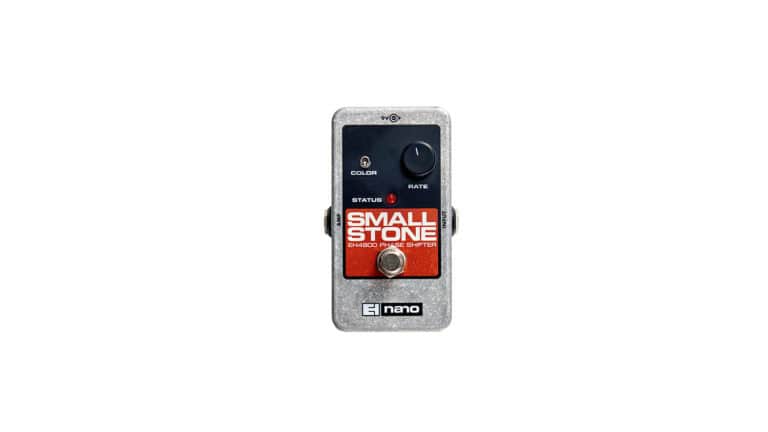
Along with the MXR Phase 90, the Small Stone is one of the most popular analog phaser pedals of all time. And just like MXR’s phaser it offers a single control knob for the Rate of the phasing sweep.
With the Color switch in the up position it mixes up the note fundamentals and harmonics it produces a rich phase sound distinct to analog circuits. It introduces some cuts to the overall frequency profile, so if you’re looking for a fuller sound just flip it to the down position.
There isn’t a wide range of sounds here. Just a single control knob and a two-way toggle switch. But if you just want a phaser in your signal chain that doesn’t take forever to dial in with the distinctive sound of analog, this budget model will get you there.
What to look for in a phaser pedal
Analog vs. digital
The choice between analog and digital circuitry can influence which phaser model is right for your rig. Analog phasers are generally warmer and more organic sounding. Digital designs can offer greater versatility and a more precise control set.
Digital pedals also usually provide multiple phaser types, presets, stereo operation, tap tempo, MIDI control, and other features that aren’t typically found on traditional analog designs.
Number of Stages
One of the most important specifications to understand when comparing phaser pedals is the number of stages. Phaser circuits use different numbers of stages, with four-stage, six-stage, eight-stage, and even higher-stage designs available.
In general, fewer stages tend to produce a more open, pronounced sweep, while additional stages can create a denser and more complex modulation sound. The difference isn’t simply about how intense the effect is, stage count also influences the character of the sweep.
Controls
Phaser pedals can range from extremely simple designs with a single speed control to sophisticated units offering extensive control over the effect.
At a minimum, look for a rate or speed control, which determines how quickly the phase sweep moves. Depth allows you to determine how pronounced the effect is, while feedback or resonance controls can add a more pronounced, almost vocal quality to the sound.
Some models also include controls for mix, stages, waveform, or frequency range. More controls provide greater flexibility, but a simple set may be preferable if you want to quickly dial it in.
FAQ
What does a phaser pedal do?
Without getting too technical, in simple terms it splits your guitar signal, shifts one part out of phase, and then mixes it back in. This creates a sweeping sound. It’s a type of modulation effect known for its swirling textures and rhythmic movement.
Where should I place a phaser pedal in my signal chain?
A lot of players position phasers after gain effects like overdrive and compression but before delays and reverbs. This helps preserve clarity and enhances the modulation’s movement.
Experiment with it in different places in your own signal chain to find what you like the best.
Are analog phasers better than digital ones?
It depends on what kind of sound and features you want. Analog phasers are warmer and more organic. Digital phasers usually offer more flexibility, precision, and presets.
Do I need a phaser if I already have a multi-effects pedal?
If your multi-effects unit has a decent phaser built in, it might be enough. They usually offer a few different analog and digital options with a good set of control parameters. But dedicated phaser pedals usually offer better tone quality, more hands-on control, and unique character.