

Recording drums can be one of the most exciting and frustrating experiences you have in the studio. It is an incredibly complex instrument to capture. In total it spans the entire frequency spectrum, going from the lowest of low end all the way to the top end sizzle of the cymbals. That’s why we put together this list of the best drum microphones.
Drums are also extremely dynamic, with fast transients. While there is a wide range of microphones available that all make great choices for recording drums, some are more suited for the instrument than others.
Best Drum Microphone Kits
If you’re starting from scratch, a drum microphone kit might be the best option. They include everything you need to get started capturing a full kit and are usually priced very affordably considering the value and convenience.
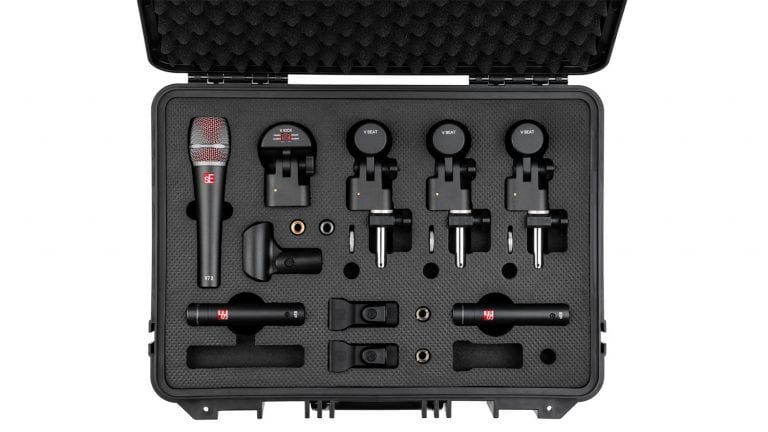
Best drum microphone kit under $1,500: sE Electronics V Pack Arena
Best drum microphone kit under $1,500
sE Electronics V Pack Arena
One of the best drum microphone kit bundles includes everything you need housed in an efficient protective flight case.
Pros
- Microphones cover all parts of the drum kit
- Flight case for protection and organization
- Good value for price point
Cons
- Mic models are fairly basic
Buy from
We may earn a commission from these links.
Perhaps the best drum microphone kit under $1,500, it comes with seven mics – one for the bass drum, three for toms, one for snare, and stereo overheads (sE8 model).
For protection they come in a durable flight case capable of handling the rigors of any session with an empty compartment for including another microphone of your choice. It also comes in a six microphone version.
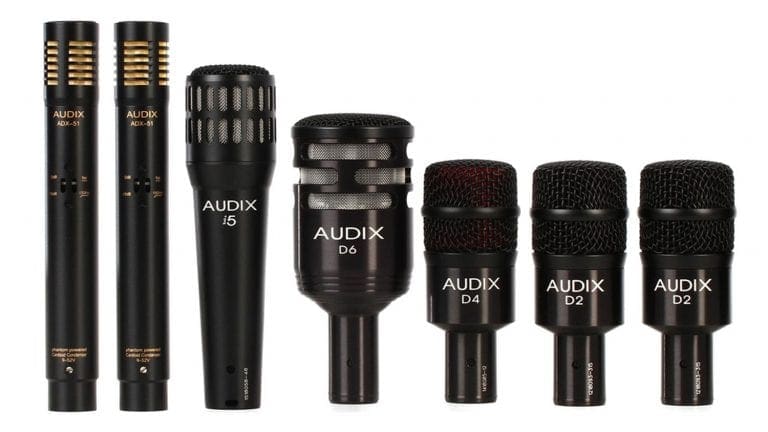
Best 7 piece drum microphone kit: Audix DP7 7-Piece Drum Microphone Kit
Best 7 piece drum microphone kit
Audix DP7 7-Piece Drum Microphone Kit
A drum microphone kit from one of the best manufacturers in the business.
Pros
- Mics cover all drum kit elements
- Affordable way to capture drums
- Accurate frequency response
- Easy to set up
Cons
- Won't cover entire kit if you have a large setup
Buy from
We may earn a commission from these links.
The DP7 kit includes some of Audix’ premier microphones suited for drum recording. This includes the D6 for bass drum, i5 for snare, D2 and D4 for toms, and and the ADX51s for overheads.
With these you get a complete perspective of any drum recording situation.
Best drum overhead microphones
Overhead microphones capture the entirety of the kit and when blended with the close mics create a complete image. Drums are an instrument with extremely fast transients and thus you need microphones that can keep up.
Small-diaphragm condensers have a faster transient response than large-diaphragms, but both are equally popular when used for overheads.
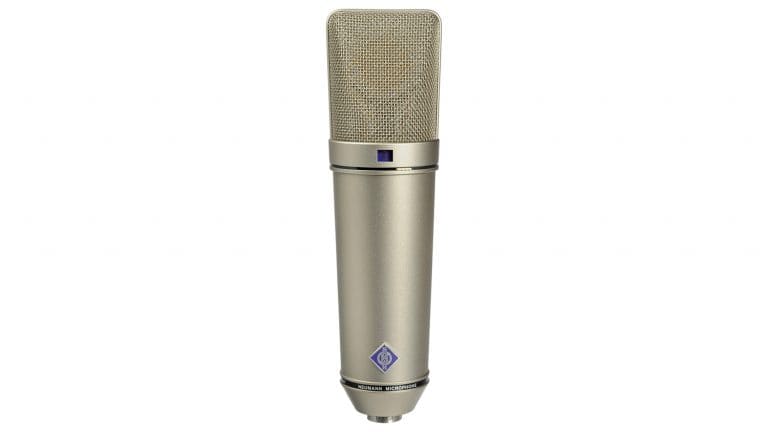
Best large-diaphragm condenser microphone for drums: Neumann U87 AI
Best large-diaphragm condenser microphone for drums
Neumann U87 Ai
One of the most infamous large-diaphragm mics of all time offers three polar patterns, high-pass filtering, and comes with every accessory you need to keep it safe.
Pros
- Extremely accurate frequency detail
- Three polar patterns
- High-pass filter and 10dB pad
- Comes with accessories
Cons
- Very expensive
Buy from
We may earn a commission from these links.
Selectable polar patterns, high-pass filtering, and a -10dB pad are all the options with the U87, one of the crown jewels not just for overheads, but for any source.
They’re not cheap, but their sound is stellar.
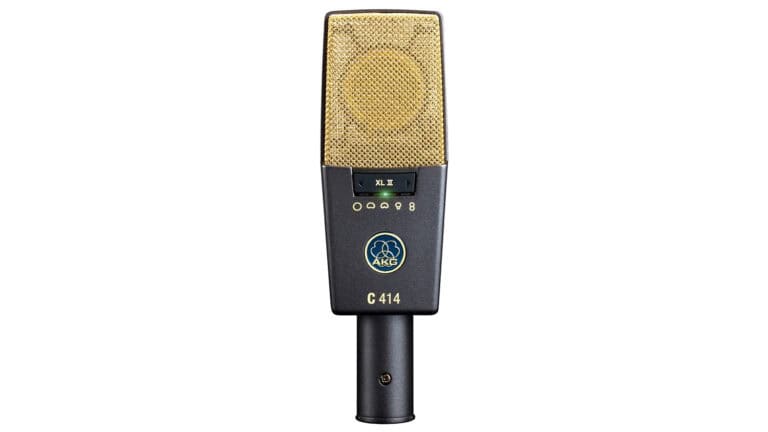
Best multi-pattern large-diaphragm condenser microphone: AKG C414 XLII
Best multi-pattern large-diaphragm condenser microphone
AKG C414 XLII
One of the most versatile large-diaphragm condenser mics on the market is a dream for picking up drums.
Pros
- 9 polar patterns
- 125dB dynamic range
- 3 high-pass filter settings and pad levels
- Full 20Hz-20kHz frequency response
Cons
- Expensive
Buy from
We may earn a commission from these links.
No one can deny the versatility or utility of the AKG C414. Long used as a go-to for overhead drum micing, it has five polar patterns and three switchable high-pass filters for easy customization.
All of this comes with a classic sound that works for pretty much any session.
Best small-diaphragm condenser microphone for drums: Shure KSM141
Best small-diaphragm condenser microphone for drums
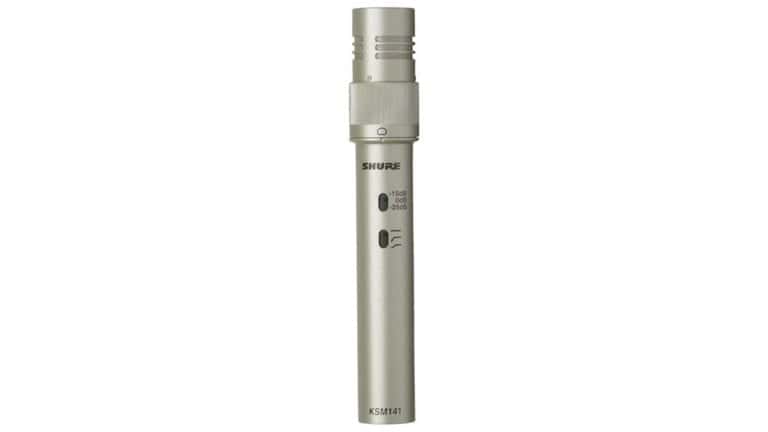
Shure KSM141
A mic with a unique dual-diaphragm design and good transient detail.
Pros
- Great transient detail
- Dual-pattern diaphragm (cardioid and omni)
- Transformerless for increased clarity
- 3-position high-pass filter and pad
Cons
- Dual-pattern diaphragm can introduce bleed
Buy from
We may earn a commission from these links.
Incredibly transparent and with a fantastic transient response thanks to a gold-plated Mylar diaphragm, this model from Shure is a serious sleeper. For even further customization it has two 3-position switches controlling the pad and high-pass filter.
Best large-diaphragm overhead drum microphone for under $500: Warm Audio WA-14
Best large-diaphragm overhead drum microphone for under $500
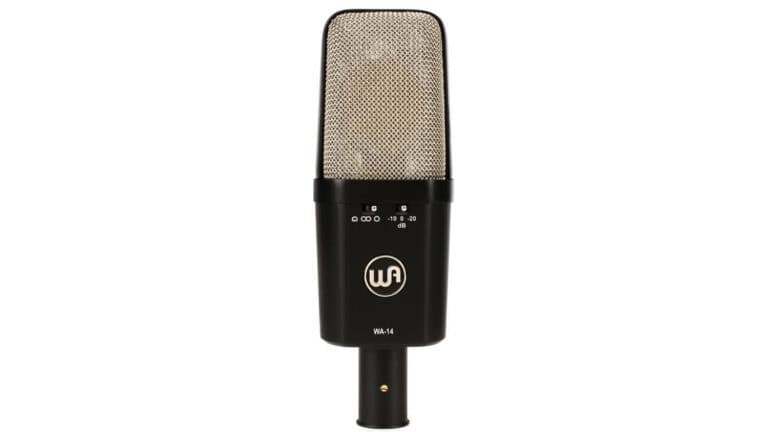
Warm Audio WA-14
The best and most affordable alternative to the AKG 414 works on any source you point toward it.
Pros
- Classic circuit at a much more affordable price
- Custom CineMag transformer
- Full 20Hz-20kHz frequency range
Cons
- Doesn't have quite as much detail as the microphone it's based on
Buy from
We may earn a commission from these links.
Warm Audio makes great gear at price points working musicians can afford, and their take on the classic C414 is no different. It can do cardioid, figure-8, or omni patterns and has a -20dB or -10dB pad and a full 20Hz-20kHz frequency range.
Runner-up best large-diaphragm overhead drum microphone for under $500: Audio-Technica 4033a
Runner-up best large-diaphragm overhead drum microphone for under $500
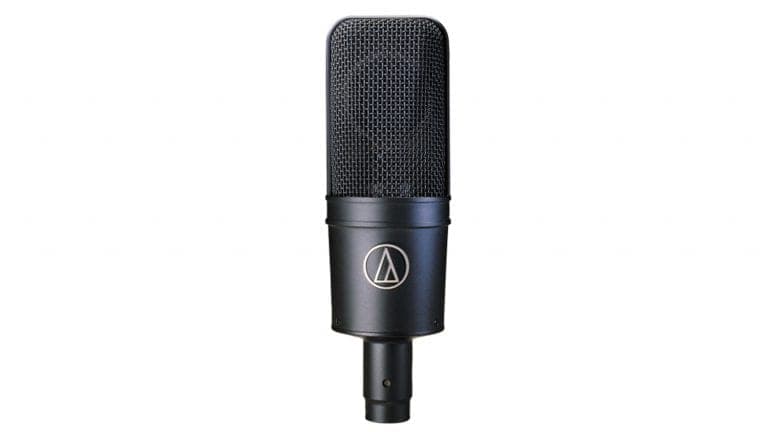
Audio-Technica AT4033a
A simple but effective large-diaphragm condenser that packs a lot of quality and value under the hood.
Pros
- Floating capsule reduces noise
- Surface-mount electronics enhance stability
- Transformerless for low distortion
Cons
- Only one high-pass filter and pad setting
Buy from
We may earn a commission from these links.
With its transformerless circuit this large-diaphragm condenser from Audio Technica provides a transient capture like that of a small diaphragm condenser. And it’s got great presence for representing the full image of the drum kit.
Best small-diaphragm overhead condenser under $500 for drums: Sennheiser e914
Best small-diaphragm overhead condenser under $500 for drums
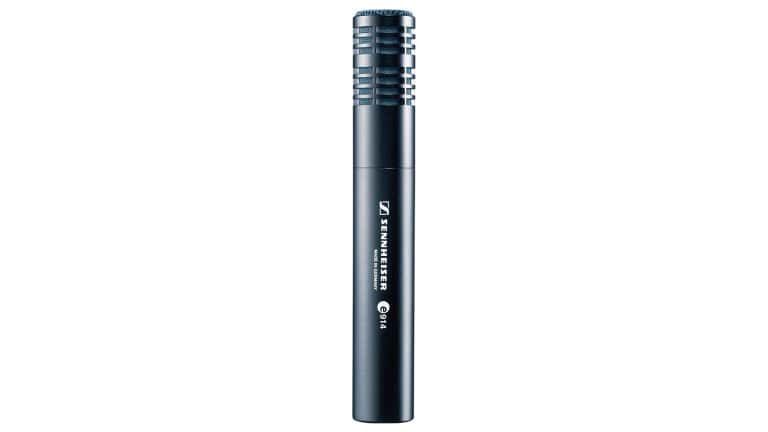
Sennheiser e914
A great mix of value at a cost that won’t break the bank.
Pros
- Great for overheads and snare
- Clear sound that captures fast transients with articulation
- Takes high SPL
- 3-position sensitivity switch
Cons
- Will need a pair if using them on overheads
Buy from
We may earn a commission from these links.
The e914 has a wide dynamic range and full 20Hz-20kHz frequency response with great transient capture and a number of useful features. A 3-position sensitivity switch and 3-position high-pass filter tailors it to any session, and two different pad settings (-20dB and -10dB) are useful for those really hard hitters.
It sounds good enough for professional applications but is affordable enough for amateurs and hobbyists.
Best overhead drum microphone stereo pair under $500: Lauten Audio LA-120
Best overhead drum microphone pair under $500
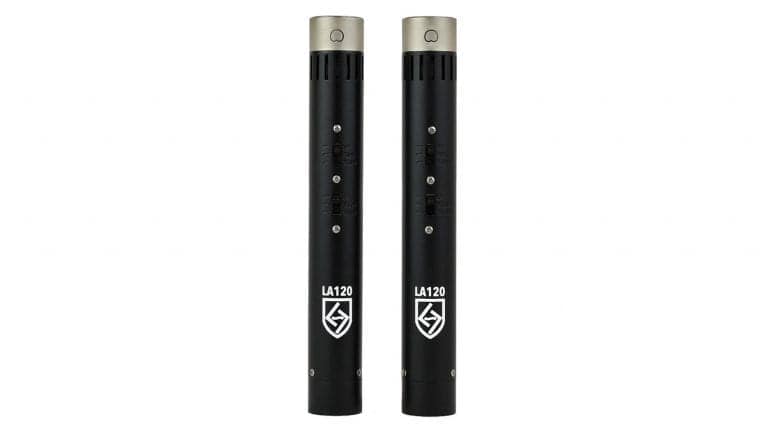
Lauten Audio LA-120
This SDC pair has a full range frequency response and interchangeable capsules.
Pros
- Comes in pairs
- Interchangeable cardioid and omni capsules
- Low-pass and high-pass filters
- Works in a variety of microphone configurations
Cons
- There are better SDC options available
Buy from
We may earn a commission from these links.
This JFET microphone comes with interchangeable capsules that can do cardioid or omni patterns, meaning you can also use them as room mics. Switchable low (50Hz and 150Hz) and high pass (10kHz and 15kHz) filters offer additional tailoring to any source. Also works well on hi-hat, or even snare.
Best bass drum microphones
Bass drum microphones are meant to handle very high SPL (as they are meant to go inside the bass drum shell). And for as great of a quality that they bring, they are also fairly inexpensive, with most coming in under just a little over $200.
Best bass drum microphone: AKG D112
Best bass drum microphone
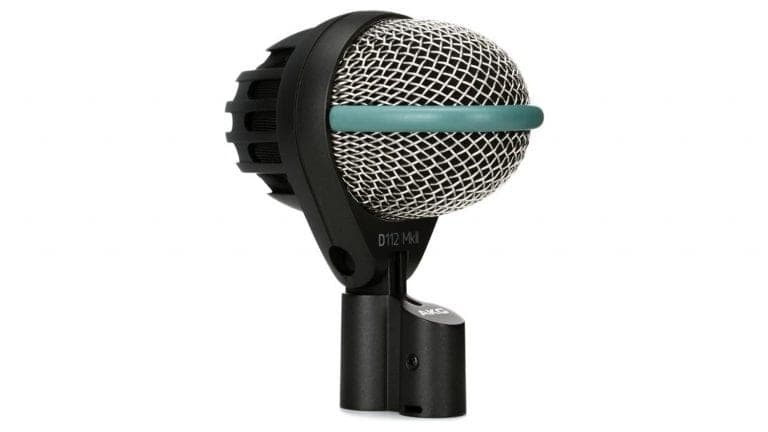
AKG D112 MKII
A drum mic with a flexible attached mount that’s perfect for capturing low end sources.
Pros
- Flexible, integrated mount
- Ideal for low end sources like kick drum and floor toms
- Handles high SPL
Cons
- Most useful only on low end sources
Buy from
We may earn a commission from these links.
One of the most popular microphones for capturing the low end of a bass drum, it’s also great at getting the midrange detail that is so vital to modern kick sounds.
Runner-up best bass drum microphone: Shure Beta52A
Runner-up best bass drum microphone
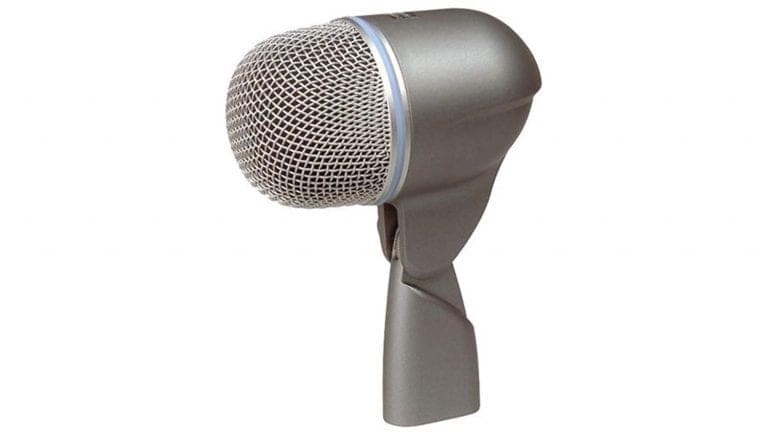
Shure Beta52A
One of the best kick and tom mics handles high SPL and offers a nice presence boost at 4kHz.
Pros
- Supercardioid pattern provides great off-axis rejection
- Handles up to 174dB SPL
- Presence boost at 4kHz
- Strong proximity effect
Cons
- Tailored for low end sources
Buy from
We may earn a commission from these links.
Shure’s take on a microphone dedicated to the lowest frequencies is also a supercardioid polar pattern that provides better isolation to reduce bleed and focus the sound.
Best small profile bass drum microphone: Audix D6
Best small profile bass drum microphone
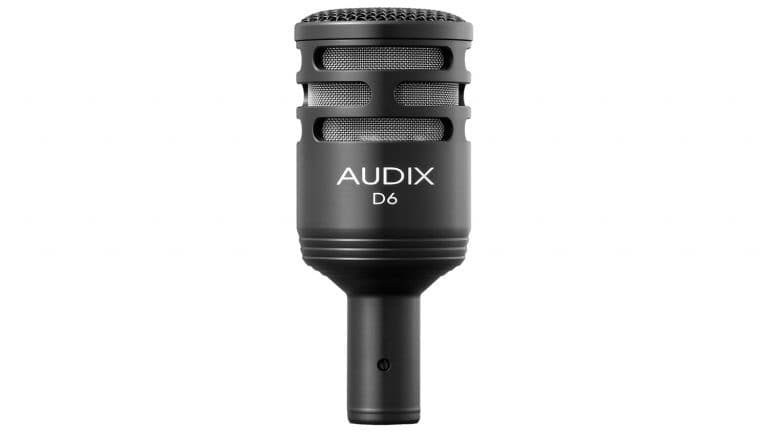
Audix D6
A smaller format dynamic microphone to pick up any kick drum.
Pros
- Smaller format than other low end drum mics
- Good off-axis rejection
- Fast transient response
- 144dB SPL handling
Cons
- Large dip in the low midrange wont suit all kick drum frequency profiles
Buy from
We may earn a commission from these links.
The low mass diaphragm of the D6 means it has no issues when it comes to the clarity and articulation of the source. It’s also fairly small in size and fits into tight spaces very well.
Best snare drum microphones
When selecting a microphone to capture snare drum sounds you’ll want something that excels in the midrange – which is where most of the snare sound lives. Low end capture is also important for getting the body of the instrument.
Best snare drum microphone: Shure SM57
Best snare drum microphone
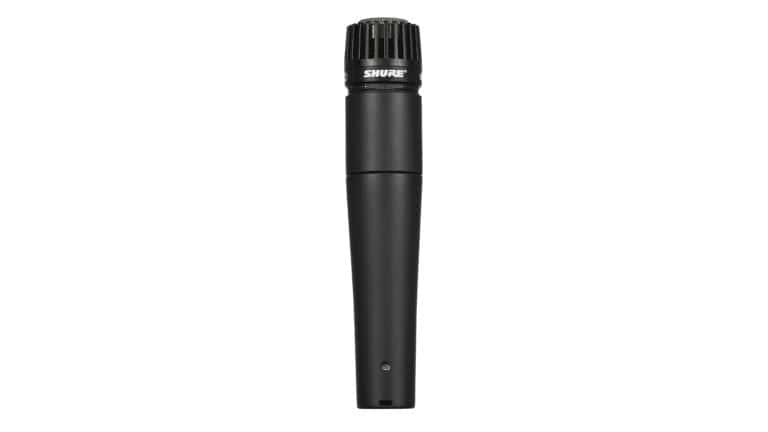
Shure SM57
The most popular microphone on the planet is an invaluable asset to any studio or live setup.
Pros
- Incredibly durable
- Designed for close micing
- Natural midrange presence peak
Cons
- Not ideal for overheads
Buy from
We may earn a commission from these links.
Battle-tested doesn’t even begin to describe the utility of Shure’s SM57 when used to capture a snare drum. It’s perfect for getting the body, crack, and sparkle all at once and can be used on the top or bottom position.
Runner-up best snare drum microphone: Audix i5
Runner-up best snare drum microphone
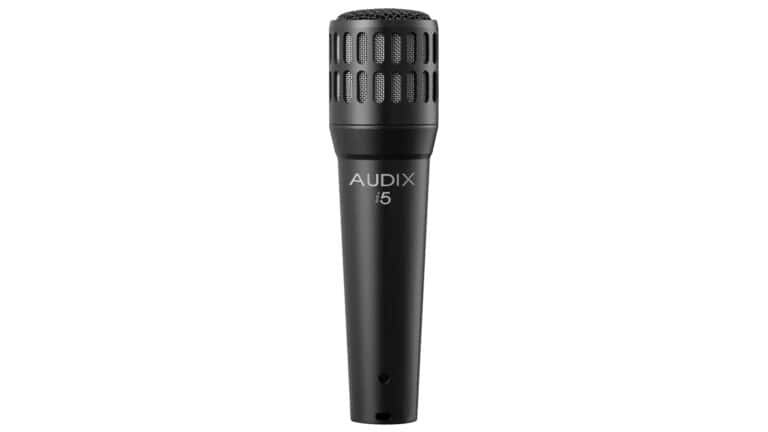
Audix i5
The best alternative to the SM57 has great midrange detail and sounds great on snare and toms.
Pros
- Flat cap design is perfect for close micing
- Good midrange detail
- Ideal for snare and toms
Cons
- Not best choice for kick drum
Buy from
We may earn a commission from these links.
The i5 is right up there with the SM57 when it comes to micing a snare. It handles high SPLs, and its flat cap makes it perfect for close proximity to the source. It has a pretty broad frequency range of 50Hz-16kHz as well.
Best small profile snare drum microphone: Sennheiser e906
Best small profile snare drum microphone
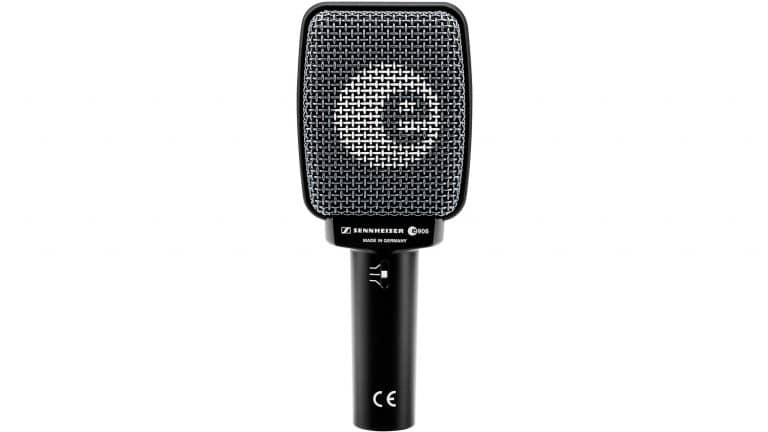
Sennheiser e906
A unique enclosure gets you even closer when close micing.
Pros
- Fast attack
- Switchable presence filter
Cons
- Unique physical profile can be a problem in tight spaces
Buy from
We may earn a commission from these links.
With a unique shape the e906 is a secret weapon alternative to the mainstays for recording snare drum. It has a broad, 40Hz-18kHz response and a switchable presence filter with three positions: normal is the standard frequency range, one is a boost around 4.2kHz, and the third attenuates the presence range for taming those overly bright snares.
Best tom drum microphones
Toms might be the easiest part of the drum kit to record. Surely though, certain microphones are better suited than others. Here are some of the best options for recording toms.
Most versatile tom drum microphone: Sennheiser MD421-II
Most versatile tom drum microphone
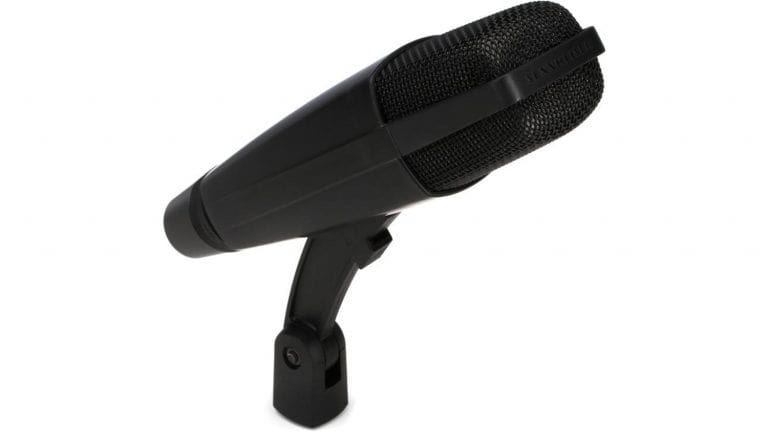
Sennheiser MD 421-II
A versatile dynamic microphone with a wide frequency response useful on every part of the drum kit.
Pros
- 5-position bass rolloff switch
- Wide 30Hz – 17kHz frequency response
- Not as sensitive to dust and humidity as other mics
- Handles high SPL
Cons
- Larger enclosure than other dynamic mics
Buy from
We may earn a commission from these links.
The 5-position bass control is the real selling point here. This makes it so that no matter what size of tom is the source, the 421-II can capture it accurately, from the smallest rack tom to the largest floor tom.
Best small profile tom drum microphone: Sennheiser e604
Best small profile tom drum microphone
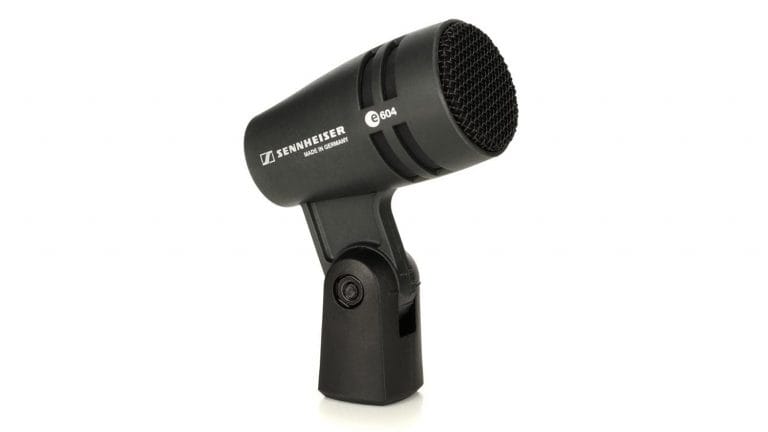
Sennheiser e604
A convenient, small profile dynamic microphone with a wide and balanced frequency response that can handle high SPL sources.
Pros
- Convenient ergonomic profile
- Handles up to 160dB SPL
- Wide and balanced frequency response
Cons
- Not for use as overheads
Buy from
We may earn a commission from these links.
The 604 is made for drums, as it is a small profile microphone with a clip-on mount so it can pick up all of the sound and stay out of the drummer’s way. It also has a wide frequency pickup that can work on toms of any size.
What to look for in drum microphones
Dynamic vs. condenser
Both types have important roles in professional drum recording. Dynamic microphones are durable, and handle high SPL well, and are great on kick drums, snares, and toms. Condensers offer greater sensitivity and detail in the high-frequencies, making them popular for overheads, hi-hats, and room mics.
Keep in mind, microphone design and placement around the kit are critical too.
Polar pattern and off-axis rejection
Polar pattern determines how a microphone picks up sound from different directions. Cardioid mics are popular for close-micing because they primarily capture sound from the front and reject from the sides and rear. This directional response helps reduce bleed from other sources.
Supercardioid and hypercardioid types have tighter pickup patterns in certain applications, but pick up more sound from the sides and rear. Omnidirectional can capture sound from all directions, figure-eight patterns pickup from the front and rear.
Understanding polar patterns helps you choose microphones that provide the right balance between isolation, bleed, and the natural interaction of the entire kit. Some microphones have the option to select between multiple types.
Maximum SPL and Transient Response
Drums produce very loud SPL and fast transient peaks. Professional drum microphones need to be capable of handling these dynamics without introducing unwanted distortion. Maximum SPL ratings provide a useful reference, especially for kick drum and snare where the microphone is exposed to intense peaks.
Transient response is equally important because it determines how accurately the mic reproduces sudden changes in sound. A microphone with good transient response captures the initial attack of a snare hit, the punch of a kick drum, or the detail of a cymbal without making the performance sound dull or overly aggressive.
In a full kit recording scenario normally a mixture of dynamics and condensers are used.
FAQ
What’s the difference between dynamic and condenser mics for drums?
Dynamic microphones are more durable and handle high sound pressure levels (SPL). This makes them ideal for close miking loud drums like the snare, toms, and kick. Condenser microphones are more sensitive but capture finer details, making them perfect for overheads and cymbals.
Can I use the same microphone for all parts of the drum kit?
Technically, yes, but it’s not recommended. Different drums and cymbals have unique sound characteristics, and specialized microphones are designed to capture individual nuances of each piece of the kit.
What are overhead microphones, and why are they important?
Overhead microphones capture the overall sound of the drum kit and a little bit of room ambience. They provide the stereo image and clarity needed to blend all drum elements together with what the close mics capture.
Do I need a separate microphone for each drum?
Not necessarily. Professional studios often use a full set of individual mics for detailed control during mixing, smaller setups can still achieve great results with fewer mics – just research the Glyn Johns technique.
For example, a three or four-mic setup that uses a microphone on kick drum, snare, and a pair of overheads can capture a balanced, natural drum sound without the complexity of close-miking every piece of the kit.


