AKG has been one of the biggest names in microphones for decades, and its small diaphragm condenser microphones are perhaps amongst its best-known. The new AKG C151 is one of the newest models in the lineup, joining the revamped C-series, at a much more affordable price point than some of the others in the lineup.
If you’re familiar with AKG’s back catalog, the DNA here is pretty obvious. The C451 has been a studio fixture for decades, and even the more affordable P170 built a solid reputation as a reliable go-to. The C151 carries that small-diaphragm legacy forward, but hits that lower price point partially by removing anything that isn’t necessary. There are no switches, no pads, and no onboard filters.
Does the microphone live up to its promise, offering a more simple small-diaphragm condenser that still sounds great, but at a lower price?
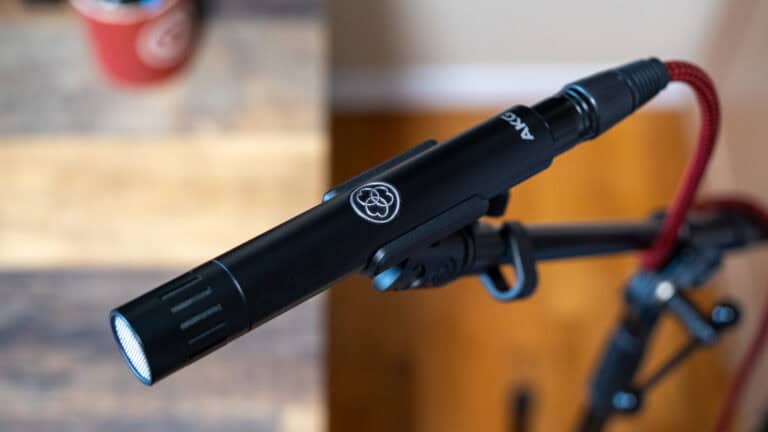
AKG C151 review
The AKG C151 is a reasonably-priced condenser microphone with AKG’s much-loved DNA under the hood.
Pros
- Well-designed with eco-friendly materials
- Detailed, bright sound
- Reasonable price
Cons
- Not as versatile as some
Buy from
We may earn a commission from these links.
Design and build quality
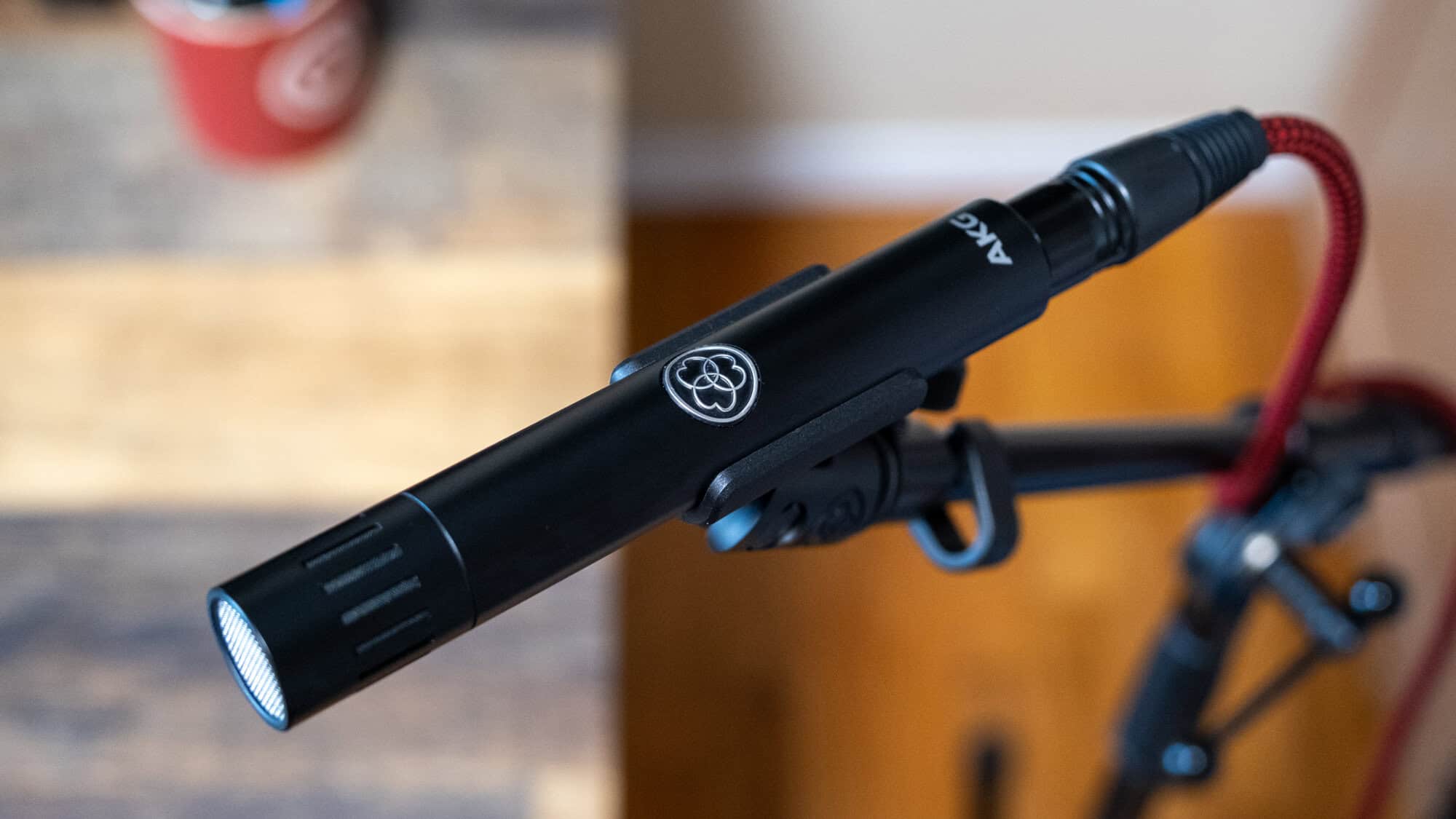
Under the hood, the C151 is an electret condenser mic with a transformerless FET circuit. That FET architecture is a big part of AKG’s story for this mic — the idea is that it gives you transparency and speed without the added weight and complexity you’d get from a transformer-based output stage.
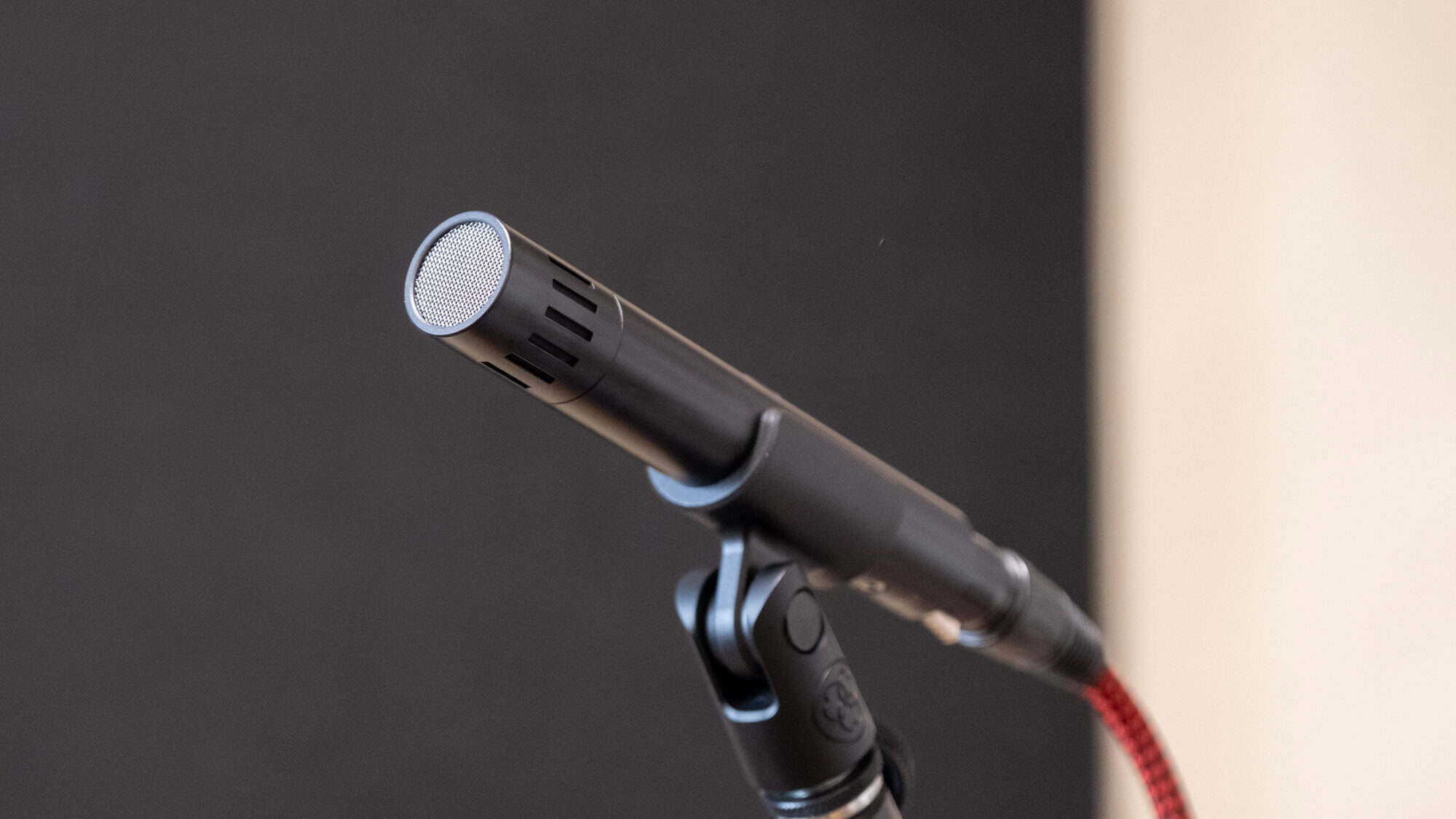
As you might expect, it’s pretty compact. It’s 22mm in diameter and 140mm long, with a slim pencil-style body that’s easy to squeeze into tight spots, whether that’s on a drum kit or wedged between an acoustic guitar and a vocalist.
The capsule is a 16mm small-diaphragm cardioid design using a nickel-sputtered plastic diaphragm. Internally, AKG has gone with a surface-mount component layout, which is in line with modern manufacturing — it keeps the signal path short and ensures consistency from unit to unit. You’ll need an interface or mixer that supplies phantom.
The microphone is pretty well built and should be able to withstand most day-to-day use. Though if you take it on the road, you’ll want to put it in a bag or another protective case. One interesting thing about its build is that it’s built from a 100% recycled metal body and shipped in sustainable packaging. It’s nice to see AKG leaning into sustainability in this way.
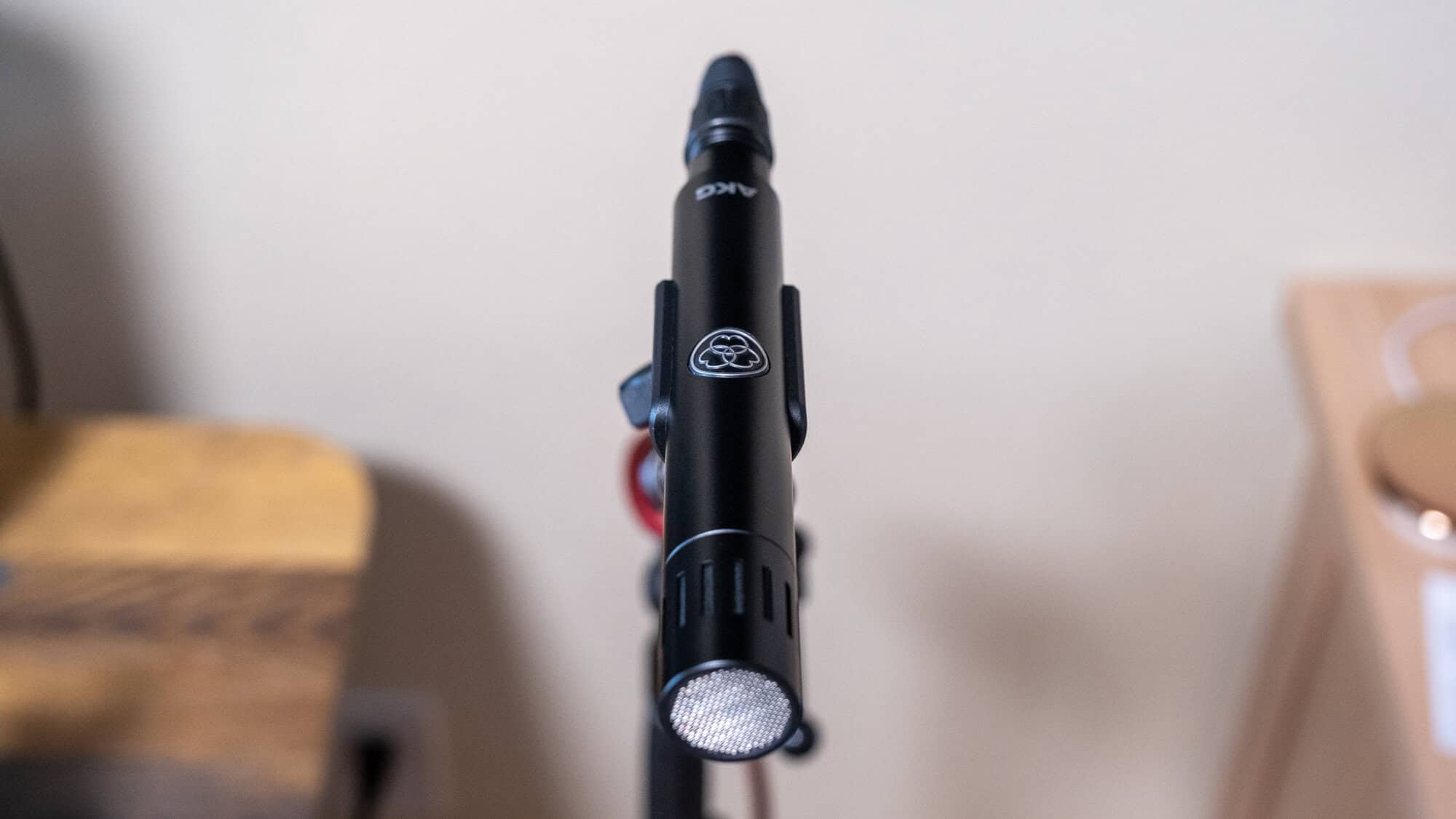
In the box, apart from the mic itself you’ll get a clip, but that’s about it. I would have liked to see a carry bag, at least, but you’ll need to find one separately. Alternatively, of course, the box itself can act as a case, though it’s likely to degrade over time.
Audio performance
The C151 is precise, natural, and relatively transparent. This isn’t a mic that editorializes too much, which is a good thing for those who want versatility. There’s no exaggerated low-mid warmth making sources sound bigger than they actually are, and there’s no aggressive presence peak trying to force everything to cut through a mix. What you get is an honest, true-to-source rendering of whatever’s happening in front of the capsule. The low end is tight and controlled rather than boomy — it won’t flatter a thin acoustic guitar, but it won’t muddy up a rich one either.
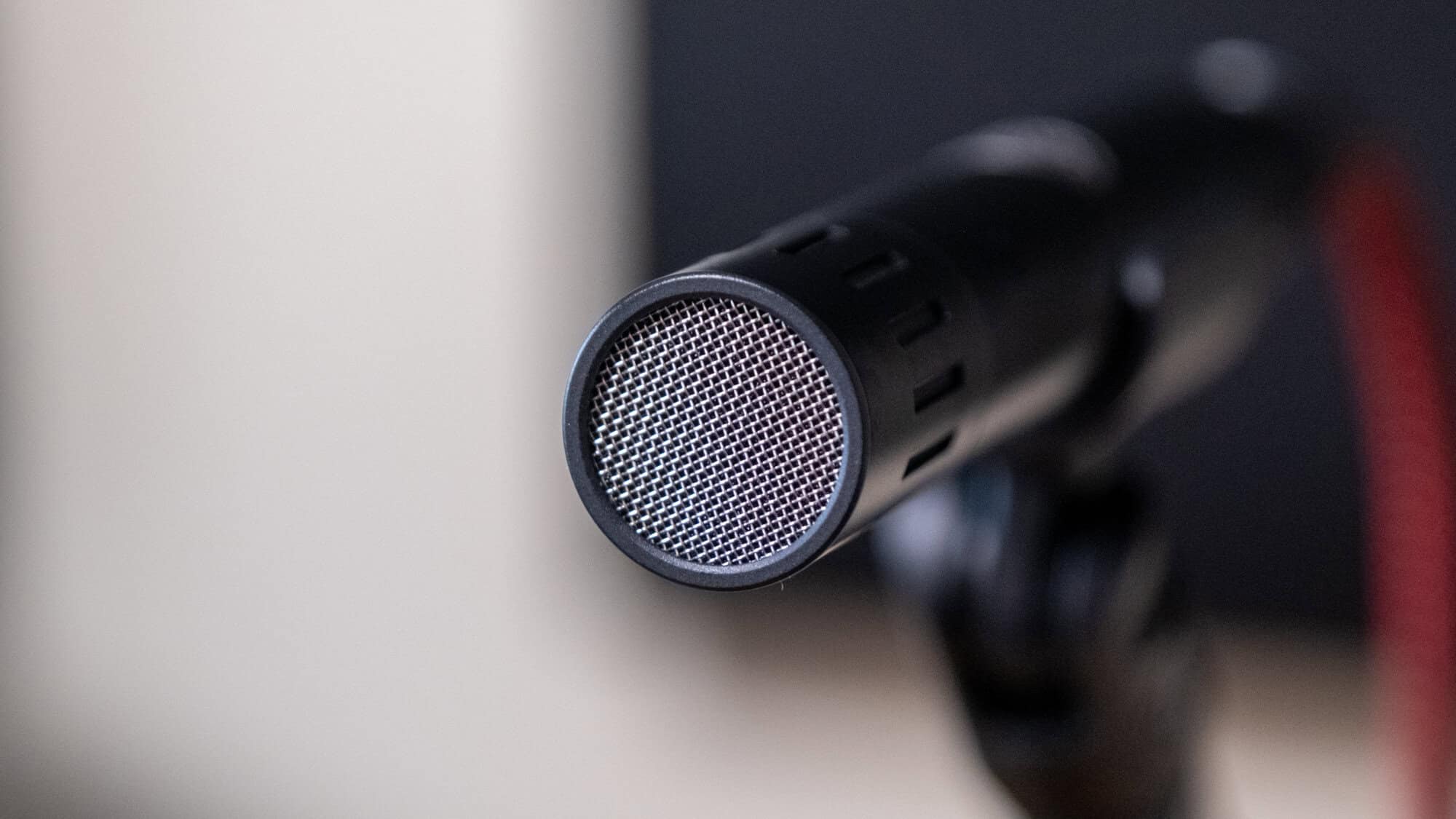
That said, the C151 does lean slightly toward the brighter side of neutral. On sources that are already sizzly or trebly, you might find yourself reaching for an EQ to pull back the top end a bit. Not a dealbreaker by any means, but worth knowing that “transparent” and “universally flattering” aren’t the same thing.
The 147 dB SPL ceiling is the headlining spec for instrument work, and it delivers. While I wasn’t able to test on a drum kit, I can imagine that it would work excellently as a drum overhead. I did test with guitars, percussion, and vocals, and it unsurprisingly handles these sources with ease. It’s also a solid option for amplifiers. And, it can even work well on a vocal, though you’ll want to make sure you use it with a pop filter.
Conclusion
The AKG C151 is a versatile microphone. It’s not trying to be everything to everyone, but it excels on even louder acoustic instruments and other sources that more limiting small-diaphragm condensers might struggle.
Within AKG’s own lineup, the C151 occupies an interesting spot. The C451 B gives you onboard pads and filters for engineers who want more control at the microphone itself, though at a higher price. The C114 offers multiple polar patterns for greater versatility in a similarly modern package. The C151 trades all of that for simplicity — fewer things to go wrong, fewer decisions to make at the mic, and a workflow that pushes processing entirely downstream.
In the wider market, the C151 competes in the budget-to-mid-range small-diaphragm condenser category, which is crowded. That 147 dB SPL handling is a real differentiator though — not every condenser in this price bracket can match that headroom, while sounding this good.