Ribbon microphones are a part of the dynamic family. Popularized in the early 20th century, at one point they were really the only type of microphone available. At this time in history condenser microphone technology was still in its infancy, and was vastly inferior to the signal quality one could get with a ribbon mic.
Models of the past were very delicate, specifically the ribbon itself. It was quite temperature sensitive and could get blown out if used on sources with too high of an SPL, or if phantom power was accidentally engaged on the channel.
Luckily, since ribbon microphones have made a comeback, they’re manufactured using nanomaterials that are far more durable than the models of the past.
Most ribbon microphones use a figure-8 polarity, meaning it captures sound from the front and back of the microphone. Most of the time the front produces a brighter sound, but if you want to warm things up you can always record through the back for a slightly darker tone.
A majority of them are also passive, and sensitive to the impedance of the preamp. This means that the EQ response of the microphone will vary depending not only upon the type of preamp it’s connected to, but also the impedance of the preamp itself.
Many preamps today come with selectable impedance. This means you can tailor the EQ curve just by microphone position and impedance without necessarily needing additional equalization.
There’s no denying ribbon designs have come back in a big way. No matter what you need in a microphone, or what your budget is, there are plenty of options for you.
Best ribbon microphone overall: Royer Labs R-121
Best ribbon microphone overall
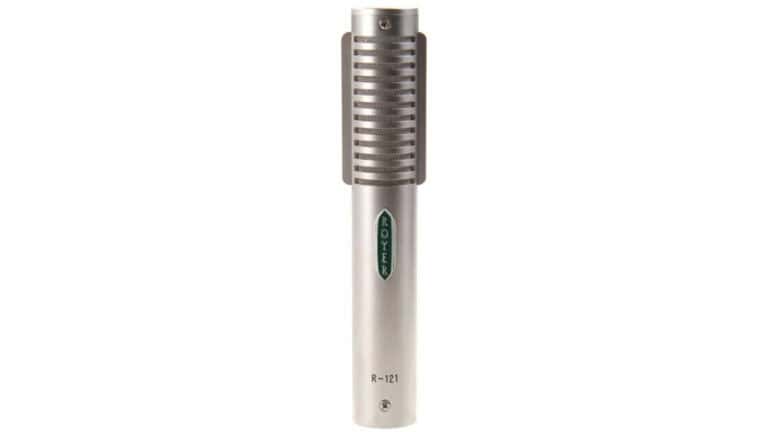
Royer Labs R-121
One of the best modern ribbon microphones available today.
Pros
- Rich and smooth response with pleasant high frequencies
- Durable build
- Minimal proximity effect
Cons
- Expensive
- Not ideal for all applications
- Heavy enclosure requires sturdy mic stand to prevent damage
Buy from
We may earn a commission from these links.

Royer Labs is pretty much singlehandedly responsible for the resurgence of ribbon microphones. The company has made them durable and affordable enough not only for professional studios but project and home studios as well.
The R-121 is Royer’s most popular model. Where older ribbons were delicate, Royer’s offset design makes them capable of handling high SPL situations.
You can also use proximity to your advantage as when the microphone is placed three feet or closer to the source it records brighter from the front side.
Best RCA44 ribbon microphone design: AEA R44CE
Best RCA44 ribbon microphone design
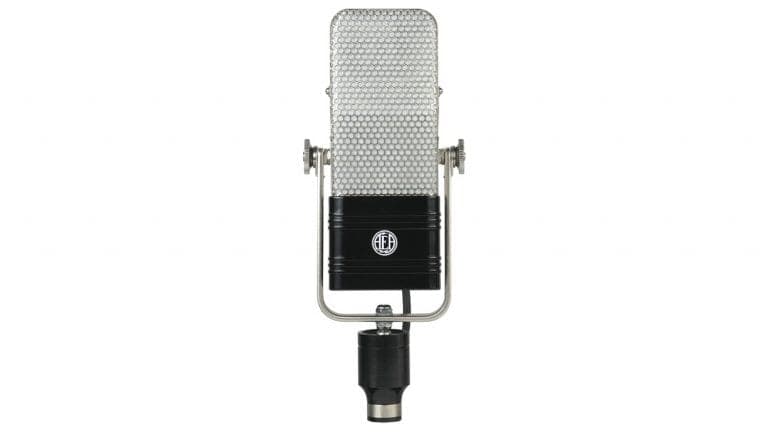
AEA R44CE
A modern update of perhaps the most infamous ribbon microphone of all time.
Pros
- Faithful recreation of the legendary original design
- Handles higher SPL levels well, just be careful
Cons
- Expensive
Buy from
We may earn a commission from these links.
Probably the most identifiable ribbon mic of all time is the RCA44. It has been used famously by such a diverse array of artists from Frank Sinatra to Van Halen.
RCA stopped manufacturing them in 1955, but the desire for their smooth character and frequency balance never went away. The R44CE is a faithful recreation of RCA’s legendary ribbon featuring a custom transformer and modern durability.
It’s not cheap, but if you have the budget the sounds you can get with it are more than worth the investment.
Best dual ribbon stereo ribbon microphone: AEA R88 MK2
Best dual ribbon stereo ribbon microphone
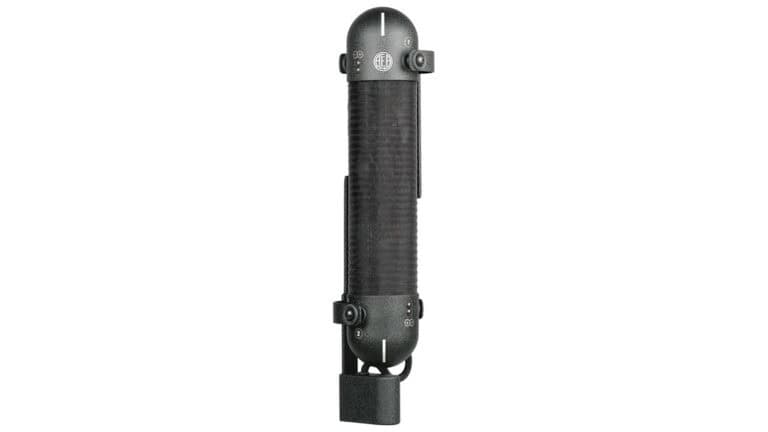
AEA R88 MK2
A ribbon microphone in a XY configuration has one of the most open sounds in the category.
Pros
- Blumlein configuration is great for stereo imaging
- Handles high SPL well
- Wide frequency response
Cons
- Needs more gain than other ribbons
- Ribbon element is more fragile than modern model
- Doesn't handle high SPL well
Buy from
We may earn a commission from these links.
Ribbon mics are generally designed with a figure-8 pickup pattern. This model is different. It has a Blumlein, or X-Y pattern, so it’s meant to be used in a different way.
It has a wider frequency range than most ribbons at 20Hz to 20kHz. It’s made with sturdy pure aluminum ribbon elements, so it can take high SPL too, just be careful with it.
The biggest hangup is the price. But if you need a single ribbon mic that does the job that normally takes two microphones it saves space and carries on the tradition of what made ribbon mics appealing from the beginning.
Most durable ribbon microphone: Shure KSM353
Most durable ribbon microphone
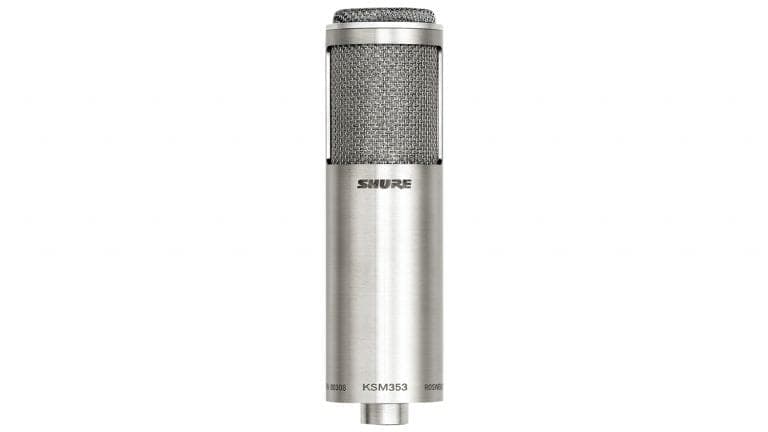
Shure KSM353
A ribbon with a wide frequency response and a detailed sound.
Pros
- Warm, detailed sound
- Durable ribbon element
- Broad frequency response
Cons
- Expensive
- Larger than some other options
- Phantom power can damage it
Buy from
We may earn a commission from these links.
Legendary microphone manufacturer Shure’s take is one of the absolute best ribbon microphones available. The hand-assembled KSM353 features a proprietary Roswellite ribbon and motor assembly.
These provides exceptional frequency response and terrific off-axis rejection. It’s got the extended low end and gentle taper on the high end that make ribbons so desirable – on top of Shure’s timeless legacy.
Best ribbon microphone for broadcasting: Beyerdynamic M160
Best ribbon microphone for broadcasting
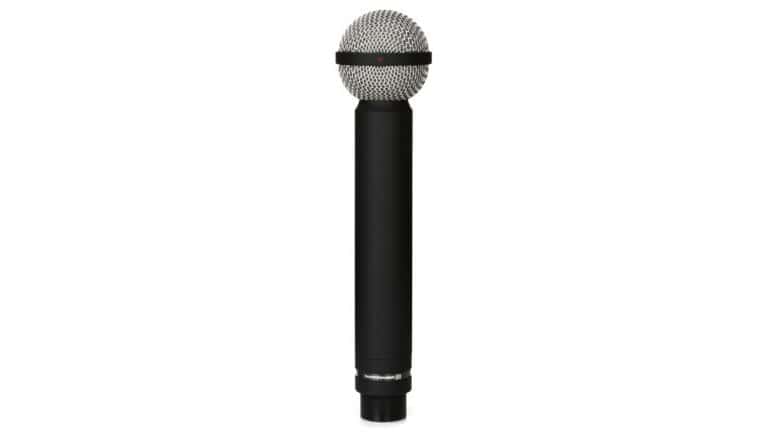
Beyerdynamic M160
An ergonomic enclosure with a hypercardioid polar pattern and high SPL resistance.
Pros
- Directional hypercardioid polar pattern is unique for a ribbon mic
- Handles high SPL
- Compact and ergonomic
Cons
- Requires a preamp with a lot of gain
- Not resistant to damage from phantom power
Buy from
We may earn a commission from these links.
Most ribbon microphones are figure-8 polar pattern, but the M160 is unique in that it is a hypercardioid pattern.
Just as popular in broadcast applications as in recording studios, the double ribbon design has a wide frequency response going from 40Hz to 18kHz.
Most versatile ribbon microphone under $1,000: Blue Microphones Woodpecker
Most versatile ribbon microphone under $1,000
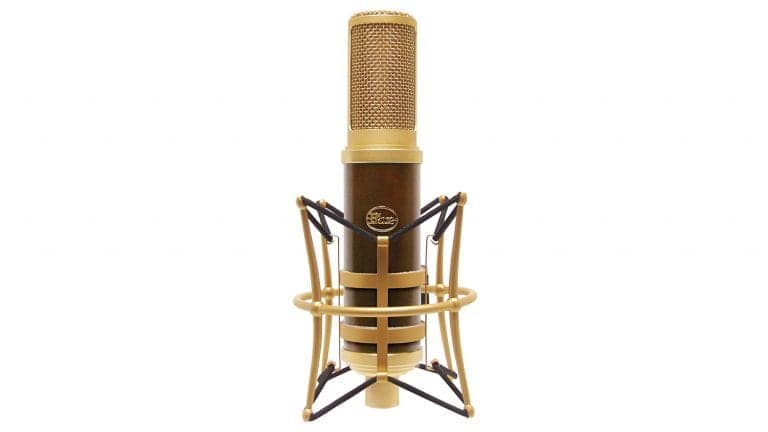
Blue Microphones Woodpecker
A cardioid ribbon microphone with a handmade transducer that works great on a lot of sources.
Pros
- Smooth, articulate sound works well for multiple sources
- Handmade ribbon with good rolloff in high frequencies
- Cardioid pattern offers great off-axis rejection
Cons
- Requires phantom power
- Limited range in high end
Buy from
We may earn a commission from these links.
Blue Microphone’s take on ribbons is the Woodpecker, a ribbon built upon a discrete Class A topology. The aluminum ribbon pressure-gradient transducer provides a versatile frequency response with a solid low end.
The midrange is focused, and pleasing top end that is perfect for the demands of modern recording sessions.
Most durable ribbon microphone under $1,000: Royer Labs R-10
Most durable ribbon microphone under $1,000
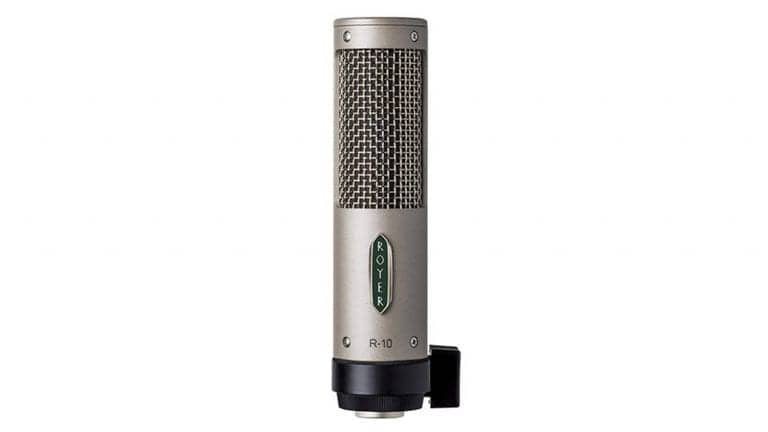
Royer Labs R-10
One of the most affordable and durable ribbon microphones from a premier modern manufacturer.
Pros
- Passive ribbon doesn't require phantom power
- Durable and versatile
- Affordable for a ribbon microphone
Cons
- Low output level requires a preamp with a lot of gain
- Limited in high frequencies
Buy from
We may earn a commission from these links.
Not everyone can afford Royer’s higher end models.The R-10 is a great introduction to the company’s lineup for those with budget considerations or working in smaller home or project studios.
It also handles high SPLs and has a full frequency response great for capturing a variety of sources.
Best ribbon microphone for high frequencies: sE Electronics X1R
Best ribbon microphone for high frequencies
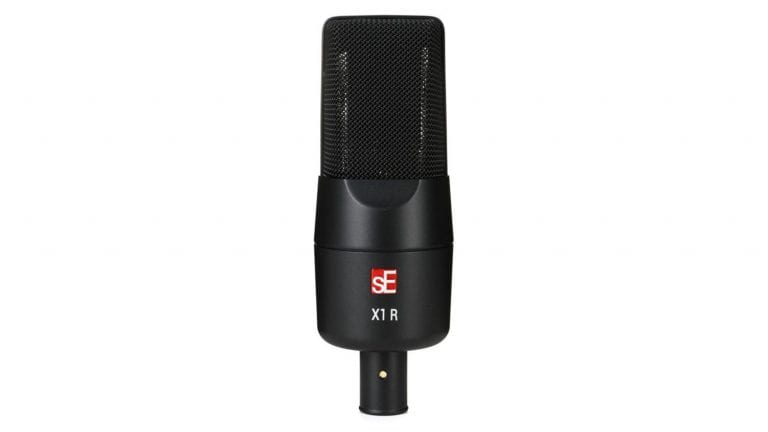
sE Electronics X1R
One of the best budget ribbon microphones on the market has a wide frequency response and good durability.
Pros
- Wide 20Hz – 16kHz frequency response
- Affordable and durable
- Good midrange and pleasant high end
Cons
- Requires a preamp with good amount of gain
- Better on some sources than others
Buy from
We may earn a commission from these links.
sE Electronics has a lot of ribbons in its lineup, and the X1R is perfect for home recording. It is rugged enough to handle loud sources and durable enough to take on the road.
It has a built-in high frequency extension that gives a little air to the sound the complements the warmth and roundness that is inherent with ribbon designs.
Best ribbon microphone for project studios: Avantone CR-14
Best ribbon microphone for project studios
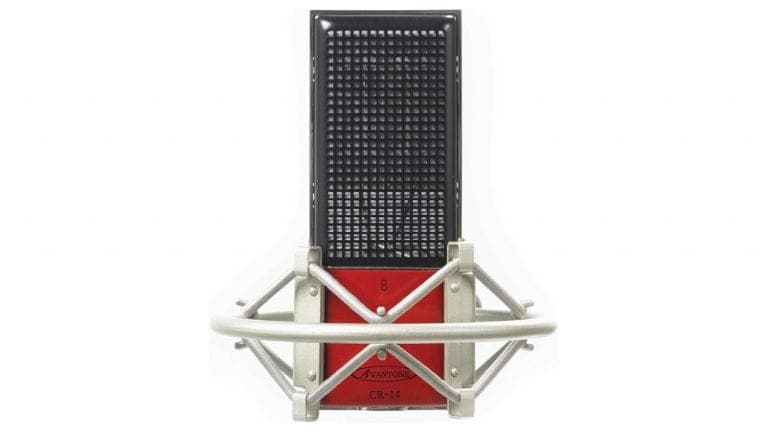
Avantone CR-14
One of the best vintage sounding ribbon microphones that comes with a good mix of accessories.
Pros
- Classic ribbon sound of models from the past
- Low self noise
- Comes with a variety of accessories
Cons
- Vintage sound won't suit some modern applications
Buy from
We may earn a commission from these links.
With vintage aesthetics and a modern sound the CR-14 is a great addition to any project studio’s locker. There are a number of build elements that set the it apart from others in its price range.
The low mass ribbon increases sensitivity while the transformer coupled output makes it just as useful on drums as it does on guitar cabinets and vocals.
Best budget ribbon microphone: Golden Age R1 Active Ribbon
Best budget ribbon microphone
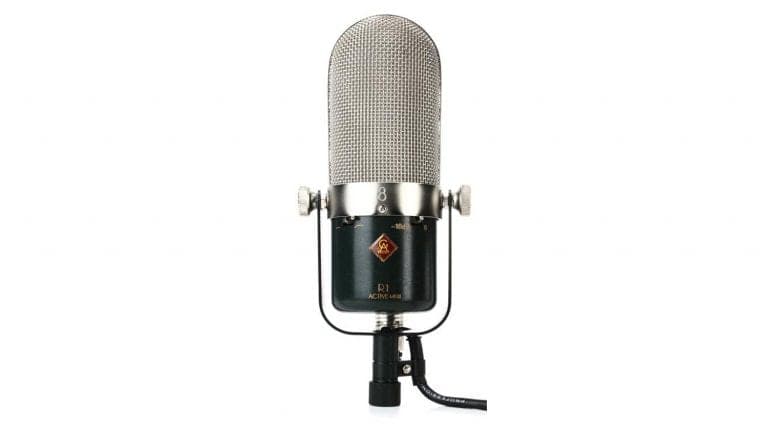
Golden Age R1 Active Ribbon
A budget model with a classic ribbon sound and active electronics that works with a variety of different preamps.
Pros
- Active electronics works better with a wider range of preamps
- Classic ribbon sound on a budget
- One of the most affordable budget ribbon mics
Cons
- Requires phantom power
- Large enclosure
- Not best choice for all sources
Buy from
We may earn a commission from these links.
Golden Age Project has made their mark on the industry by releasing affordable gear with a vintage design that doesn’t skip on quality. With the R1 you get the warmth of a ribbon and the stability of a FET buffer amplifier.
The buffers means you can use the microphone with extended cable runs, and due to it being active it can be used with any preamp that provides phantom power. It also comes with a low cut, -10dB pad, and can handle up to 160dB SPL.
FAQ
What is a ribbon microphone?
Ribbon mics are a type of dynamic microphone that uses a thin, lightweight strip of metal (the “ribbon”) suspended in a magnetic field to pick up the source signal. Sound waves cause the ribbon to vibrate, generating an electrical signal. They’re renowned for their warm, smooth, and natural sound.
What are active vs. passive ribbon microphones?
Active ribbon mics have built-in electronics that amplifies the signal through phantom power. This opens them up for use with different styles of preamps that might not offer much gain.
Passive ribbons require a preamp with high gain and don’t use phantom power.
What are ribbon microphones best used for?
Depending on the model they work well on a variety of sources. They’re usually used for recording vocals, guitars, and drums. But many engineers will use them on signals like strings and woodwinds.
What are the disadvantages of using ribbon microphones?
New ribbon microphone designs don’t present as many disadvantages as older models. Concerns to be aware of include their fragility, low signal output, and need for careful handling.
Some models can be damaged if they’re sent phantom power, strong air blasts from a vocalist, and some are subject to temperature sensitivity.